Blog · 2018-10-30

Everything You Need to Know About Auto Transport
Auto transport means a carrier moves your car on a truck instead of you driving it. You get a quote, a vetted carrier picks the car up, the driver records its condition on the bill of lading, and you inspect it again at delivery before you sign. For a long move, it saves the drive, the hotel nights and the miles on the car.
Here is how it works from the first call to drop-off, and the terms you'll hear along the way.
How auto transport works
- Request a quote. Send the year, make and model, whether it runs, the pickup and delivery addresses, and your dates. At FCT, a real person quotes every move. There are no price tables or instant quotes.
- Book and confirm. When you approve the quote, FCT vets the carrier and confirms the driver, the truck and the pickup window before the truck rolls.
- Pickup. The driver walks around the car with you and records any existing scratches or dents on the bill of lading. Take your own photos too.
- On the road. You can follow the order in the client portal at fctorders.com, including the driver's location while they're active. If anything changes, you hear it from FCT first.
- Delivery. Inspect the car before you sign, note any new damage on the bill of lading, and keep your copy. The delivery BOL is also saved in the portal.
Open or enclosed
Open transport is the trailer you see on the highway carrying several cars. It suits everyday cars and is the most common choice. Enclosed transport keeps the car inside a covered trailer, away from weather and road debris, and is the usual choice for classic, exotic and high-value cars. Our open vs. enclosed guide helps you pick.
Is it worth shipping instead of driving?
For a long move, usually yes. Driving means fuel, hotels, meals, time off work and the wear of a long trip, plus the risk of a breakdown on the way. Shipping keeps the car off the road and lets you fly or focus on the move. For a short trip you could drive in an afternoon, driving may be simpler. Our guide on shipping your car during a move covers the trade-offs.
Terms you'll hear
- Bill of lading (BOL). The carrier's receipt and condition report for the car, signed at pickup and at delivery. See what a bill of lading is.
- Carrier. The company whose driver and truck move the car.
- Broker. A company that arranges the move and books a carrier for it.
- Door-to-door. The car is picked up and delivered as close to your addresses as the truck can safely get. A large truck may meet you at a nearby open lot.
- Pickup window. The range of dates the driver will arrive to load the car.
- Delivery window. The expected range of dates the car will arrive.
Getting the car ready
Wash the car so damage is easy to see, take photos, remove personal items and toll tags, leave about a quarter tank of fuel, and tell the transport company about anything unusual, like a car that doesn't run or a tricky ignition. Our vehicle prep checklist covers each step.
Frequently asked questions
What are the steps to ship a car?
Request a quote, book once the carrier and pickup window are confirmed, inspect the car with the driver at pickup, follow the order while it's on the road, and inspect the car again at delivery before you sign.
What is a bill of lading in car shipping?
It's the carrier's receipt and condition report for your car. It records existing damage at pickup and is signed again at delivery.
What is the difference between a broker and a carrier?
A carrier owns the truck and moves the car. A broker arranges the move and books a carrier for it.
What does door-to-door car shipping mean?
The car is picked up and delivered as close to your addresses as the truck can safely get. On narrow streets, the driver may meet you at a nearby open lot.
Can a car that doesn't run be shipped?
Yes. It needs different equipment, such as a winch, so say so when you ask for a quote.
Ready to ship a car?
FCT is based near Charlotte, NC and ships cars anywhere in the continental U.S., with one point of contact from quote to drop-off. Request a quote or call (980) 552-1101.
Recent posts
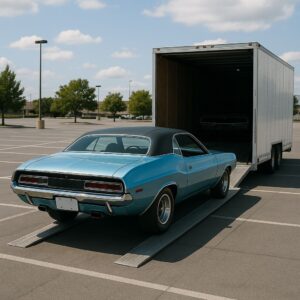
Open vs. Enclosed Car Transport: Which One to Choose
What each trailer type protects against, which cars belong on which, and what to ask before you book.
Read the guide
What Influences the Cost of Shipping a Car?
The things that move a car shipping quote up or down, from the route and the vehicle to the season and the trailer.
Read the guide
How to Prepare Your Vehicle for Shipping: A Step-by-Step Checklist
Paperwork, photos, fuel, keys and the pickup inspection. What to do before the truck arrives.
Read the guide