Blog · 2023-09-25

Car Shipping Insurance: What Covers Your Car in Transit
When your car is on a transport truck, damage to it is covered by the carrier's cargo insurance, not by the broker and usually not by your own auto policy. Before you book, ask whose insurance covers the car, what the limit is, and what it leaves out. Then make sure the car's condition is written on the bill of lading at pickup, because that record is what any claim is built on.
Every FCT shipment is fully insured, and every carrier is vetted before it touches the car. The rest of this guide explains how the coverage fits together, so you know what to ask any company you talk to.
The policies involved
- Carrier cargo insurance. This is the policy that pays for damage to the vehicles on the trailer while the carrier has them. It's the one that matters most to you.
- Carrier liability insurance. Interstate carriers must carry liability coverage for damage they cause to other people and property on the road. It is a separate policy from cargo coverage, so ask about cargo specifically.
- Your own auto policy. Some personal policies cover a car while it's being shipped and some don't. Call your insurer and ask before the car is picked up.
- Extra coverage for high-value cars. If your car is worth more than the carrier's cargo limit, ask your own insurer about added coverage for the trip.
What to ask before you book
- Who is the carrier, and is the cargo coverage active? A broker arranges the move; the carrier's policy covers the car. Ask for the certificate of insurance and check that the dates are current.
- What is the cargo limit per vehicle? Make sure it fits what your car is worth, especially for a classic, an exotic or a load of several cars.
- What isn't covered? Common exclusions include personal items left in the car, existing damage and mechanical problems that weren't caused by the move.
- How does a claim work? A company that has handled claims can tell you the steps in plain words.
Personal items aren't covered
Cargo insurance covers the vehicle, not what's inside it. Take out personal belongings, electronics, toll tags and loose items before pickup. They can shift on the trailer and cause damage of their own. Our guide to preparing your vehicle for shipping has the full checklist.
The bill of lading is your proof
Insurance pays for new damage, so you need a clear record of the car's condition before and after. That record is the bill of lading:
- At pickup, walk around the car with the driver and make sure every existing scratch, dent and chip is marked.
- Take your own photos of every side, with the date and time.
- At delivery, inspect the car before you sign, and write any new damage on the bill of lading.
- Photograph the damage at the truck and contact your transport company the same day.
Damage written on the bill of lading at delivery is much easier to claim than damage reported days later. Our guide on checking in a delivered car walks through it.
How FCT handles it
FCT vets every carrier, confirms the driver and the truck before pickup, and ships every car fully insured. You have one point of contact from quote to drop-off, so if something goes wrong, you know who to call and that person stays on the order until it's sorted out. For classic, exotic and high-value cars, enclosed transport keeps the car out of weather and road debris in the first place.
Frequently asked questions
Does a car shipping company have to carry insurance?
Interstate carriers must carry liability insurance, and reputable carriers also carry cargo insurance, which is the policy that covers the cars on the trailer. Ask for the certificate of insurance before you book.
Will my own auto insurance cover my car while it's shipped?
Sometimes. Some personal policies cover a car in transit and some don't. Call your insurer before pickup and ask.
What if my car is worth more than the carrier's coverage?
Ask the carrier's cargo limit per vehicle when you book. If your car is worth more, ask your own insurer about added coverage for the trip, and consider enclosed transport.
Are personal items in the car covered?
Usually not. Cargo insurance covers the vehicle, not its contents, so take personal items out before pickup.
What do I do if my car arrives damaged?
Write the damage on the bill of lading before you sign, photograph it at the truck, and contact your transport company the same day.
Questions about coverage?
Ask us before you book and you get a straight answer. Request a quote or call (980) 552-1101, and a real person gets back to you.
Recent posts
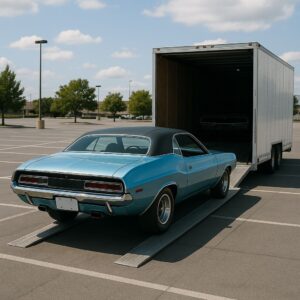
Open vs. Enclosed Car Transport: Which One to Choose
What each trailer type protects against, which cars belong on which, and what to ask before you book.
Read the guide
What Influences the Cost of Shipping a Car?
The things that move a car shipping quote up or down, from the route and the vehicle to the season and the trailer.
Read the guide
How to Prepare Your Vehicle for Shipping: A Step-by-Step Checklist
Paperwork, photos, fuel, keys and the pickup inspection. What to do before the truck arrives.
Read the guide